
 Fish@aquaticprimefish.com




Introduction
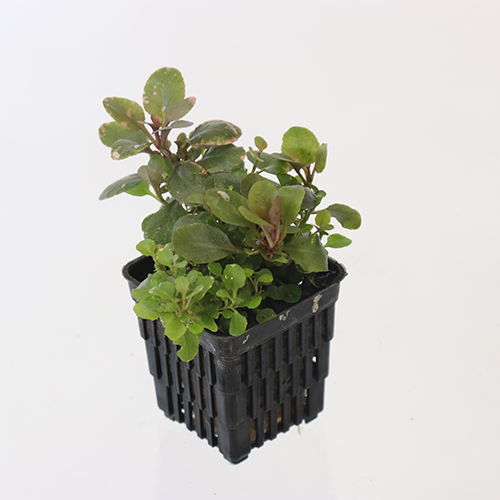
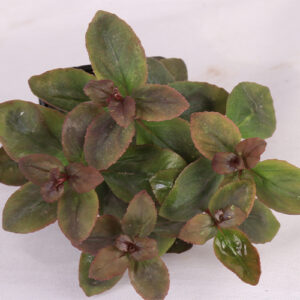
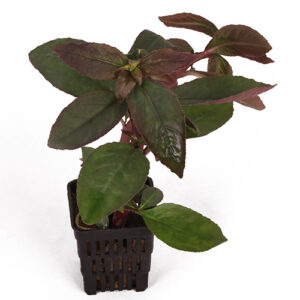
The aquarium primrose plant, scientifically known as Lobelia cardinalis, is one of the most popular ornamental plants in home aquariums. With its oval leaves and vibrant colors ranging from light green to reddish, it creates a natural and eye-catching effect. Originally native to North America, this plant thrives in humid river environments but adapts well to aquarium conditions.
Primrose Care Conditions
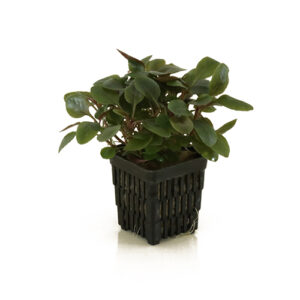
- Light: Requires medium to high light. More light results in richer leaf colors and denser growth.
- Temperature: Best maintained between 22–28°C.
- Water: Prefers mild hardness with a pH close to neutral or slightly acidic.
- Substrate: A nutrient-rich substrate is essential for healthy growth.
- Fertilization: Adding liquid fertilizers and injecting CO₂ enhances leaf color and accelerates growth.
⚠️ Lack of light or nutrients causes pale leaves and elongated stems, indicating plant weakness.
Key Maintenance Tips
- Provide sufficient light for vibrant leaf coloring.
- Keep water temperature stable between 22–28°C.
- Use a rich substrate and feed regularly with liquid fertilizer.
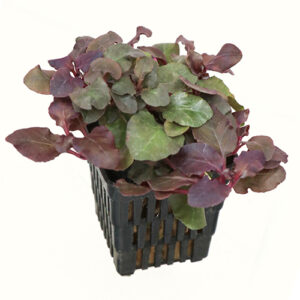
- Inject CO₂ to boost growth and intensify red leaf coloration.
Benefits of Primrose in Aquariums
- Improves water quality by releasing oxygen during photosynthesis.
- Supports biological balance in the aquarium ecosystem.
- Provides shelter for small fish and shrimp with its dense leaves.
- Enhances the natural beauty of the tank.
Care Challenges
- Slower growth compared to fast-growing plants, requiring patience.
- Without CO₂ injection, leaves remain mostly green with less red coloration.
- Insufficient light or nutrients can weaken the plant and reduce its aesthetic appeal.
Conclusion
The aquarium primrose plant (Lobelia cardinalis) is an excellent choice for aquarists seeking beauty, tranquility, and a healthy aquatic ecosystem. With its striking appearance and ecological benefits, it can become a centerpiece in aquarium design, creating a natural and pleasant atmosphere.